-
شیشه ای که به مخازن فولادی تبدیل شده است (596)
-
مخازن فولاد ضد زنگ (434)
-
مخازن اپوکسی با اتصال فیوژن (592)
-
مخازن فولادی گالوانیزه (321)
-
سقف های گنبد آلومینیومی (1316)
-
مخازن آب فاضلاب (231)
-
مخازن فولادی جوشیده (457)
-
مخازن تحت فشار (295)
-
هاضم بی هوازی (201)
-
مخازن آب صنعتی (349)
-
مخازن فولادی شیشه ای (180)
-
مخازن فولادی (390)
-
مخزن ذخیره لجن (115)
-
مخزن ذخیره بیوگاز (173)
-
مخازن مخزن لیچات (133)
-
مخازن آب کشاورزی (179)
-
مخزن آب آتش (166)
-
مخازن غلات (146)
-
پروژه های بیوگاز (425)
-
پروژه های تصفیه فاضلاب (788)
-
سقف دو لایه ای (223)

|
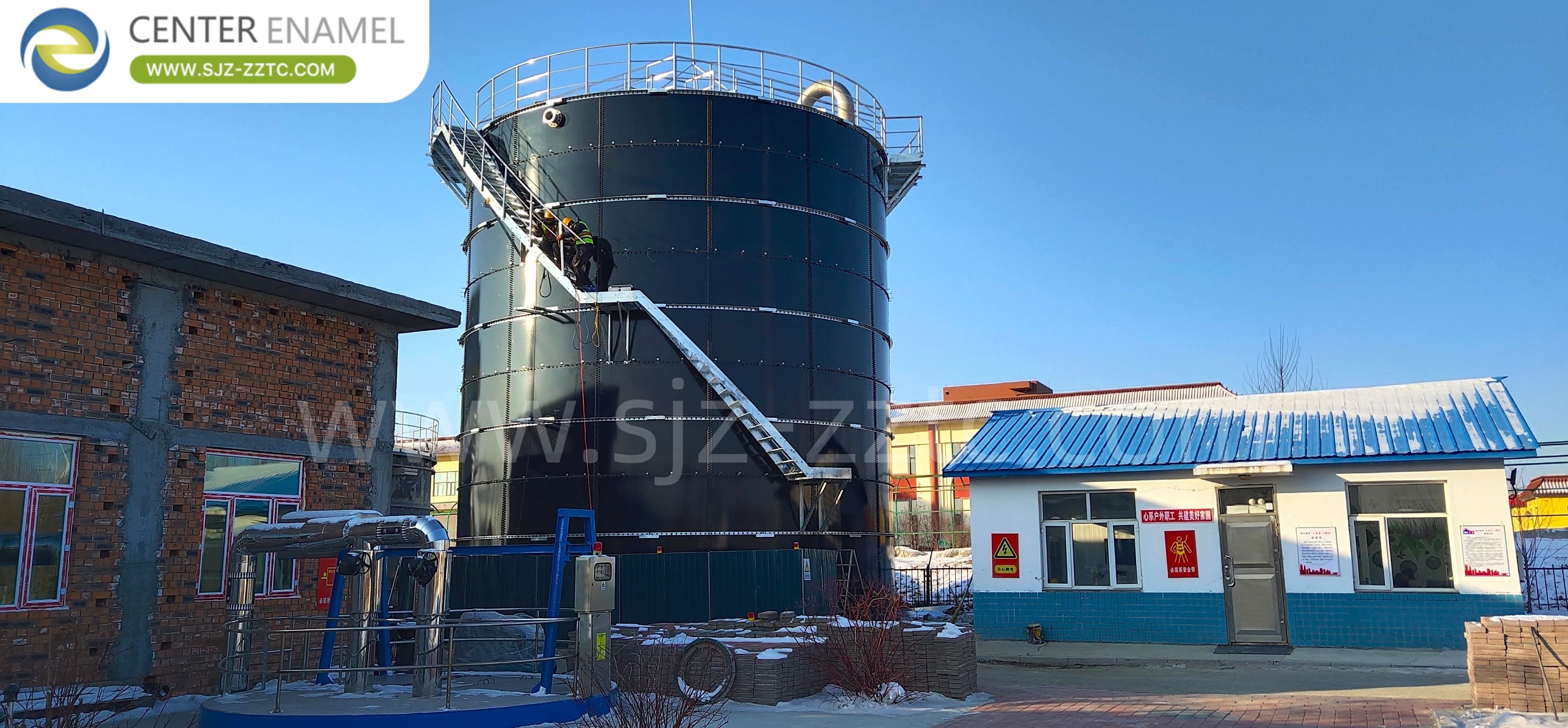
تبدیل زباله خوک: راه حل های بی هوازی پیشرفته و مخازن GFS در بنگلادش
| محل منبع: | چین |
| نام تجاری: | CEC TANKS |
| گواهی: | ISO 9001:2008, AWWA D103 , OSHA , BSCI |
| شماره مدل: | دبلیو |
| مقدار حداقل تعداد سفارش: | 1 مجموعه |
| قیمت: | $5000~$20000 one set |
| جزئیات بسته بندی: | پلی فوم PE بین هر دو صفحه فولادی. پالت چوبی و چوبی |
| زمان تحویل: | 10-30 روز پس از دریافت سپرده |
| شرایط پرداخت: | L/C، T/T |
| قابلیت ارائه: | 60 ست در ماه |
|
جزئیات اطلاعات |
|||
| محل منبع | چین | نام تجاری | CEC TANKS |
|---|---|---|---|
| گواهی | ISO 9001:2008, AWWA D103 , OSHA , BSCI | شماره مدل | دبلیو |
| رنگ بدنه تانک: | سبز تیره / قابل تنظیم است | یکپارچگی خوردگی: | عالی |
| ضخامت صفحات فولادی: | 3 تا 12 میلی متر، به ساختار مخزن بستگی دارد | مقاومت شیمیایی: | عالی |
| اندازه پنل: | 2.4M * 1.2M | آسان برای تمیز کردن: | صاف، براق، بی اثر، ضد چسبندگی |
| برجسته کردن: | راه حل های تصفیه آناروبی زباله خوک,مخازن GFS برای تصفیه فاضلاب,پروژه های تصفیه فاضلاب در بنگلادش |
||
توضیحات محصول
تبدیل زباله خوک:پیشرفتهمحلول های آنائروبومخازن GFS در بنگلادش
در حالی که بنگلادش به افزایش بهره وری کشاورزی و تنوع بخش دامداری خود ادامه می دهد،صنعت خوک، اگرچه در مقایسه با مرغ، یک بازار خاص است، اما نقش آن در حمایت از جوامع محلی خاص و امنیت غذایی منطقه ای به طور فزاینده ای شناخته شده است.با این حال، انتقال به سمت کشاورزی سازمان یافته یک چالش زیست محیطی مهم را به همراه دارد: مدیریت زباله های ارگانیک با قدرت بالا.محلول های آنائروباین امر دیگر یک انتخاب نیست بلکه یک ضرورت استراتژیک برای تعادل رشد صنعتی با مدیریت محیط زیست است.راکتور IC (دوره داخلی)با دواممخازن شیشه ای به فولاد (GFS)، اپراتورهای مزرعه با موفقیت کود خوک خطرناک را به یک منبع انرژی پاک و تجدید پذیر تبدیل می کنند.
چشم انداز بخش خوک بنگلادش
صنعت خوک در بنگلادش عمدتاً در مناطق خاص، از جمله مناطق تپه های چیتاگونگ و مناطقی با جوامع قومی متنوع متمرکز است.در حالی که به طور سنتی یک فعالیت در مقیاس کوچک است، یک تغییر تدریجی به سمت مدیریت فشرده تر برای بهبود محصول و امنیت زیستی وجود دارد.این مدرنیزه شدن از معیشت محلی حمایت می کند اما حجم متمرکز زباله های ارگانیک "قوت بالا" را تولید می کندکود خوک به ویژه به دلیل بارگذاری ارگانیک بالا، سطوح بالای آمونیاک و وجود مواد جامد معلق، درمان آن دشوار است.که نیاز به تکنولوژی پیشرفته هضم بی هوا برای ثبات موثر دارد..
خطرات زیست محیطی از تخلیه مستقیم کود خوک
در بنگلادش که منطقه ای منحصر به فرد در کنار رودخانه و مستعد سیل است، تخلیه مستقیم یا دفع نادرست کود خوک منجر به خطرات جدی زیست محیطی می شود:
آلودگی آب: تخلیه نیترات، فسفر و عوامل بیماری زا به شبکه پیچیده رودخانه ها و آب های زیرزمینی که برای استفاده خانگی و آبداری ضروری هستند.
آلودگی هوا: تجزیه کود غیرمعالجه مقدار قابل توجهی متان ($CH_4$) و آمونیاک را آزاد می کند، که به مشکلات کیفیت هوا محلی و تغییرات آب و هوایی جهانی کمک می کند.
بوی و تاثیرات جامعه: کشاورزی فشرده در نزدیکی مناطق مسکونی و یا حساس به آب اغلب با فشار اجتماعی به دلیل بوی های زیادی و پرورش آفات مواجه است.
ریسک های امنیت زیستی: زباله های درمان نشده به عنوان مخزن برای عوامل بیماری زا عمل می کنند و هم سلامت حیوانات و هم ایمنی محیط اطراف را تهدید می کنند.
سیاست های تصفیه فاضلاب در بنگلادش
در پاسخ به افزایش آلودگی صنعتی و کشاورزی،دولت بنگلادش، از طریق وزارت محیط زیست (DoE) ، "قوانین حفاظت از محیط زیست" را ایجاد کرده است. این مقررات استانداردهای سختگیرانه تخلیه فاضلاب را برای بخش های دامداری و صنعتی تعیین می کنند.بعلاوه، فشار ملی برای "انرژی سبز" و ترویج بیوگاز از طریق آژانس هایی مانند IDCOL (شرکت توسعه زیرساخت محدود) ، مزارع را تشویق می کند تا مدل های زباله به انرژی را اتخاذ کنند.رعایت این وظایف زیست محیطی اکنون برای پایداری بلند مدت بخش دامداری ضروری است.
از زباله به انرژی: فرآیند گاز زیستی از کود خوک
تبدیل کود خوک به بیوگاز یک فرآیند بیولوژیکی کنترل شده است که حداکثر ارزش را از محصولات فرعی کشاورزی استخراج می کند:
جمع آوری: خمیر خوک و آب شویی در یک مخزن جمع آوری متمرکز جمع آوری می شوند.
هضم بی هوا: زباله های ارگانیک به یکراکتور آناروبیدر داخل این محیط بدون اکسیژن، باکتری ها ماده را از طریق چهار مرحله تجزیه می کنند: هیدرولیز، اسیدوژن، استوژن و متانوجنیز.
جذب متان: محصول جانبی اصلی:بیوگاز(معمولا متان) که در سیستم هضم کننده جذب و ذخیره می شود.
بازیافت منابع: بیوگاز تصفیه شده تولید برق یا سوخت پخت و پز را انجام می دهد، در حالی که دیجستات غنی از مواد مغذی باقی مانده به عنوان کود آلی با کیفیت بالا برای محصولات محلی عمل می کند.
مهندسی پیشرفته: فرایندهای آناروبی تخصصی
مرکز اینامل مجموعه ای از فن آوری های بی هوائی را ارائه می دهد که برای مدیریت ویژگی های مختلف فاضلاب دام طراحی شده است:
راکتور IC (دوره داخلی): یک راکتور با سرعت بالا که از لیفت گاز داخلی برای گردش آب استفاده می کند. این برای عملیات در مقیاس بزرگ که نیاز به حذف COD با کارایی بالا و نرخ بارگذاری ارگانیک بالا دارد، مناسب است.
CSTR (ریاکتور مخزن کاملا مخلوط شده): استانداردی برای کود بسیار جامد، با استفاده از مخلوط کردن مکانیکی برای اطمینان از هضم یکنواخت و جلوگیری از رسوب.
UASB (پوش خلاء آناروبی بالا): برای فاضلاب سنگین مایع مناسب است، با استفاده از یک پتو گندم دانه ای برای درمان سریع.
USR (ریاکتور جامد بالا): به طور خاص برای زباله هایی که دارای مقدار زیادی از مواد جامد تعلیق شده اند، طراحی شده است و اجازه می دهد تا فیبرهای پیچیده به حداکثر اندازه تجزیه شوند.
مزایای کاربرد مخازن GFS در پروژه های بیوگاز خوک
برای پروژه های بیوگاز در بنگلادشمخازن شیشه ای به فولاد (GFS)انتخاب اصلی برای زیرساخت های راکتور هستند:
مقاومت بهتر در برابر خوردگی: پیوند شیشه به فولاد از ظرف در برابر H2S و اسیدهای آلی که در طول هضم تولید می شوند محافظت می کند.
ساخت ماژولار سریع: مخازن GFS می توانند به سرعت نصب شوند، حتی در مناطقی که لجستیک آنها دشوار است، و به طور قابل توجهی زمان ساخت را کوتاه می کنند.
مقاومت در برابر آب و هوا: آنها بدون تخریب یا ترکیدن در برابر رطوبت بالا بنگلادش، باران های شدید موسمی و قرار گرفتن در معرض اشعه UV شدید مقاومت می کنند.
نگهداری کم و عمر طولانی: سطح صاف از تراکم مقیاس جلوگیری می کند و زندگی بیش از 30 سال را با حداقل هزینه های عملیاتی تضمین می کند.
چرا زعفرانی را انتخاب می کنیم؟
"سنتر انامل" رهبر جهانی در مهندسی محیط زیست با سابقه ای اثبات شده است:
راه حل های EPC کلیدی: ما خدمات جامع از طراحی فرآیند بیولوژیکی و تولید مخازن تا نصب و راه اندازی در محل را ارائه می دهیم.
استانداردهای بین المللی کیفیت: مخازن GFS ما مطابق با استانداردهای AWWA D103، OSHA و ISO ساخته شده اند، که ایمنی و عملکرد را تضمین می کند.
دهه ها تخصص: با پروژه هایی که در بیش از ۱۰۰ کشور انجام می شود، ما دارای مهارت های مهندسی برای سازگاری تکنولوژی با شرایط آب و هوایی و نیازهای عملیاتی محلی هستیم.
تحقیق و توسعه پیشرفته: نوآوری مستمر در فناوری بی هوا، اطمینان می دهد که مشتریان ما کارآمدترین سیستم های "زباله به انرژی" موجود را دریافت می کنند.
داستان های موفقیت جهانی: نمونه های اثبات شده پروژه
مورد1: پروژه بيوگاز کانادا
ابعاد مخزن: φ8.4 × 7.2 m (H) ️ 2 واحد
کل حجم: 798 متر
سال اتمام: 2024
مورد2: پروژه بيوگاز اندونزي
کاربرد مخزن: کارخانه تصفیه فاضلاب روغن نخل
مدل مخزن: Ø19.86 × 8.4 m
تعداد مخازن: 3 مخازن GFS
نصب: ۷ نفر، ۴۰ روز
تاریخ نصب: نوامبر 2009
برای رشد صنعت خوک در بنگلادش، ادغاممحلول های آنائروببا استفاده ازفرآیند ICومخازن GFSنشان دهنده یک تغییر قدرتمند به سمت کشاورزی پایدار است.تخصص مهندسی جامع مرکز اینامل به صاحبان مزارع این امکان را می دهد که مقررات سختگیرانه زیست محیطی را برآورده کنند و هزینه های انرژی را به طور قابل توجهی کاهش دهندبا تبدیل کود خوک به انرژی تجدیدپذیرمزارع در بنگلادش می توانند به یک "اقتصاد دایره ای" پایدار دست یابند که از منابع طبیعی کشور محافظت می کند و سودآوری عملیاتی بلند مدت را برای دهه ها افزایش می دهد.