-
شیشه ای که به مخازن فولادی تبدیل شده است (596)
-
مخازن فولاد ضد زنگ (434)
-
مخازن اپوکسی با اتصال فیوژن (592)
-
مخازن فولادی گالوانیزه (321)
-
سقف های گنبد آلومینیومی (1316)
-
مخازن آب فاضلاب (231)
-
مخازن فولادی جوشیده (457)
-
مخازن تحت فشار (295)
-
هاضم بی هوازی (201)
-
مخازن آب صنعتی (349)
-
مخازن فولادی شیشه ای (180)
-
مخازن فولادی (390)
-
مخزن ذخیره لجن (115)
-
مخزن ذخیره بیوگاز (173)
-
مخازن مخزن لیچات (133)
-
مخازن آب کشاورزی (179)
-
مخزن آب آتش (166)
-
مخازن غلات (146)
-
پروژه های بیوگاز (425)
-
پروژه های تصفیه فاضلاب (788)
-
سقف دو لایه ای (223)

|
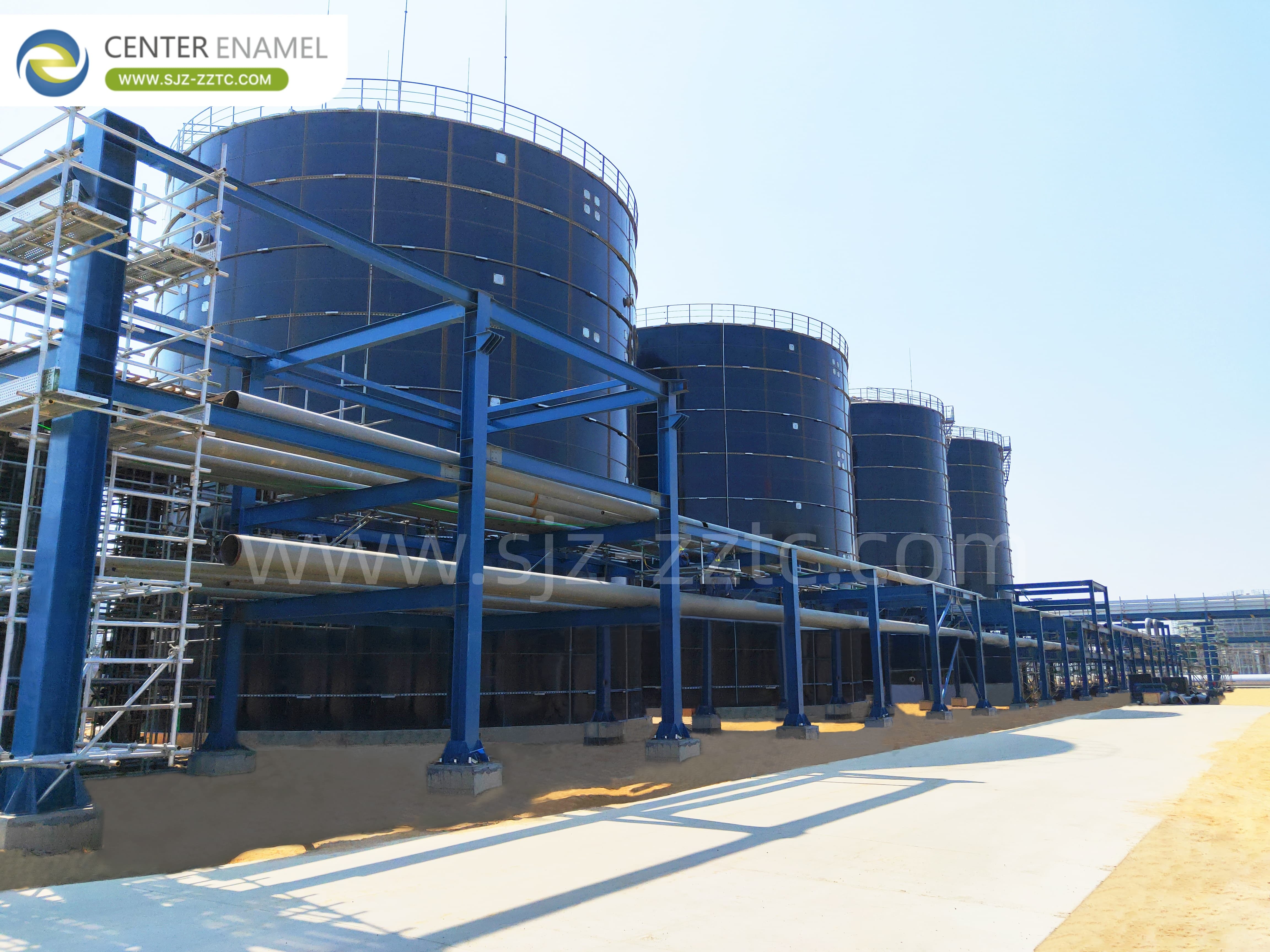
تبدیل زباله های مرغ: راه حل های پیشرفته بیوگاز و مخازن مقاوم GFS در ویتنام
| محل منبع: | چین |
| نام تجاری: | CEC TANKS |
| گواهی: | ISO 9001:2008, AWWA D103 , OSHA , BSCI |
| شماره مدل: | دبلیو |
| مقدار حداقل تعداد سفارش: | 1 مجموعه |
| قیمت: | $5000~$20000 one set |
| جزئیات بسته بندی: | پلی فوم PE بین هر دو صفحه فولادی. پالت چوبی و چوبی |
| زمان تحویل: | 10-30 روز پس از دریافت سپرده |
| شرایط پرداخت: | L/C، T/T |
| قابلیت ارائه: | 60 ست در ماه |
|
جزئیات اطلاعات |
|||
| محل منبع | چین | نام تجاری | CEC TANKS |
|---|---|---|---|
| گواهی | ISO 9001:2008, AWWA D103 , OSHA , BSCI | شماره مدل | دبلیو |
| رنگ بدنه تانک: | سبز تیره / قابل تنظیم است | یکپارچگی خوردگی: | عالی |
| ضخامت صفحات فولادی: | 3 تا 12 میلی متر، به ساختار مخزن بستگی دارد | مقاومت شیمیایی: | عالی |
| اندازه پنل: | 2.4M * 1.2M | آسان برای تمیز کردن: | صاف، براق، بی اثر، ضد چسبندگی |
| برجسته کردن: | محلول های بیوگازی زباله های مرغ,مخازن GFS برای تصفیه فاضلاب,تصفیه فاضلاب با گاز زیستی ویتنام |
||
توضیحات محصول
تبدیل زباله های مرغ: راه حل های پیشرفته بیوگاز و مخازن مقاوم GFS در ویتنام
در حالی که ویتنام موقعیت خود را به عنوان یکی از تولیدکنندگان مرغ پیشرو در جنوب شرقی آسیا تقویت می کند، این صنعت با یک چالش دوگانه روبرو است:حفظ رشد سریع در حالی که به دستورات محیط زیست به طور فزاینده ای سختگیرانه پایبند استبرای شرکت های مرغداری مدرن، انتقال از دفع زباله های سنتی به زباله های پیشرفتهراه حل های بیوگازدیگر اختیاری نیست.CSTR (ریاکتور مخزن کاملا مخلوط شده)تکنولوژی با عملکرد بالامخازن شیشه ای به فولاد (GFS)، اپراتورهای کشاورزی کود مرغ خطرناک را به یک دارایی انرژی استراتژیک تبدیل می کنند.
چشم انداز بخش مرغداری و چالش های زباله های ویتنام
در صنعت مرغ و مرغ ویتنام، تحول قابل توجهی به سمت عملیات تغذیه حیوانات متمرکز در مقیاس بزرگ (CAFO) مشاهده شده است.حجم زیادی از زباله های ارگانیک "قدرت بالا" تولید می کند.
کود مرغبه ویژه به دلیل محتوای زیاد نیتروژن، فسفر و آمونیاک آن، چالش برانگیز است.
آلودگی آب های زیرزمینی:ریزش نیترات ها و عوامل بیماری زا به آب های محلی.
آلودگی هوا:انتشار قابل توجهی از متان و آمونیاک، که به بوی و گازهای گلخانه ای کمک می کند.
استروفیکیشن:روان شدن مواد مغذی به دلتای رودخانه ی مکونگ و رودخانه ی سرخ ویتنام، که به اکوسیستم های آبی آسیب می رساند.
برای مقابله با این، دولت ویتنام سخت گیری کرده استسیاست های تصفیه فاضلاباین مقررات رویکرد "اقتصاد دایره ای" را تشویق می کنند.تشویق مزارع برای اتخاذ فناوری های تبدیل زباله به انرژی که تأثیرات زیست محیطی را کاهش می دهد و در عین حال سوخت های تجدید پذیر را فراهم می کند.
از زباله های مرغ به انرژی های تجدید پذیر: فرآیند بیوگاز
تبدیل کود مرغ به بیوگاز به دنبال یک توالی بیولوژیکی پیچیده است.جدا کننده های جامد و مایعپس از آن، خمیر به یک دستگاه پمپ می شود.راکتور آناروبی، هسته ی کارخانه ی بیوگاز.
در داخل این محیط بدون اکسیژن، میکروارگانیسم های تخصصی مواد ارگانیک را تجزیه می کنند ومتان ($CH_4$)گاز خام در یکنگهدارنده گاز بیوگازی دو غشایو بعد از آن از طریق یکسیستم ازولفوریزهبرای از بین بردن سولفید هیدروژن خوردنی (H2S$) ، گاز زیستی پاک حاصل می شود که می تواند به یکCHP (گرمی و برق ترکیبی)واحد تولید برق برای عملیات مزرعه.
مهندسی دقیق: انتخاب روش مناسب آنائروب
مرکز اینامل طراحی و ساخت سیستم های راکتور سفارشی را برای مطابقت با محتوای جامد خاص و سرعت جریان فاضلاب مزرعه مرغ انجام می دهد:
CSTR (ریاکتور مخزن کاملا مخلوط):این استاندارد طلایی برای کود مرغ است که اغلب دارای غلظت جامد بالا است. مخلوط کننده های مکانیکی یک مخلوط یکسانی را تضمین می کنند.جلوگیری از تشکیل پوسته های سطحی و به حداکثر رساندن بهره وری تولید گاز.
UASB (پوش آشامیدنی آناروبی بالا):ایده آل برای فاز مایع آب فاضلاب، این فرآیند از یک پوشش گرده دار کثیف برای دستیابی به بهره وری بالا در یک اثر فشرده استفاده می کند.
يو اس آر (رياکتور جامد افزايش):به طور خاص برای زباله هایی که دارای مقدار زیادی از مواد جامد تعلیق شده اند طراحی شده اند، زمان نگهداری طولانی برای تجزیه کامل فیبر های آلی پیچیده را تضمین می کنند.
راکتور IC (دوره داخلی):یک سیستم با سرعت بالا که از گردش داخلی گاز استفاده می کند تا به میزان مخلوط و بارگذاری ارگانیک بالا برسد، باعث می شود که برای فاضلاب صنعتی در مقیاس بزرگ بسیار موثر باشد.
مزیت مخزن GFS: زیرساخت های پایدار
برای این فرآیندهای بیولوژیکی پیشرفته، انتخاب ظرف بسیار مهم است.مخازن شیشه ای به فولاد (GFS)به دلایل متعددی به معیار صنعت تبدیل شده اند:
مقاومت در برابر خوردگی:پوشش شیشه ای بی اثر و غیر متخلخل است، که آن را در برابر اسیدهای ارگانیک تهاجمی و H2S تولید شده در طول هضم زباله های پرنده غنی از نیتروژن ایمن می کند.
نصب ماژولار:مخازن GFS در محل به هم متصل می شوند، که امکان استفاده سریع و گسترش آسان در مقایسه با سازه های بتنی سنتی را فراهم می کند.
ثبات حرارتی:این مخازن را می توان به راحتی عایق بندی کرد تا دمای مستحکم مزوفیلیک یا ترموفیلیک مورد نیاز برای فعالیت میکروبی مطلوب را حفظ کند.
طول عمر:با عمر بیش از 30 سال و حداقل نگهداری، مخازن GFS کمترین هزینه کل مالکیت را ارائه می دهند.
مرکز اینامل: تخصص در پروژه های جامع بیوگاز
"سنتر انامل" به عنوان رهبر جهانی در طراحی و اجرای پروژه های بزرگ گاز زیستی شناخته شده است.این شرکت در مدیریت جریان های پیچیده زباله تخصص دارد که نیاز به هضم آناروبی با کارایی بالا و کاهش قابل توجهی از بار ارگانیک دارد.. مزیت اصلی Center Enamel در ارائه EPC کلیدی (مهندسی،خرید و فروش) استو ساخت و ساز) راه حل هایی که از طراحی اولیه فرآیند و تولید تجهیزات سفارشی تا نصب و راه اندازی در محلاین رویکرد جامع تضمین می کند که اپراتورهای مرغ و صنعتی 100٪ انطباق زیست محیطی را به دست آورند در حالی که به حداکثر رساندن بازیابی انرژی تجدید پذیر از دارایی های زباله خود را افزایش می دهند.
داستان های موفقیت جهانی: نمونه های اثبات شده پروژه
مورد1: پروژه بیوگاز اندونزی
کاربرد: راکتورهای بی هوا برای کارخانه تصفیه فاضلاب روغن نخل
مدل های مخزن: Ø17.58 × 8.4 m; Ø16.82 × 7.2 m
تعداد مخازن: 3 مخازن GFS
تاریخ نصب: 2013
مورد2: پروژه بیوگاز سنگاپور
مرحله فرآیند: CSTR
ابعاد مخزن:
φ18.34 × 8.4 m (H) 1 واحد
φ8.41 × 9.0 m (H) 1 واحد
φ11.46 × 7.2 m (H) 1 واحد
کل حجم: 3458 متر
سال تکمیل: 2021
نتیجه گیری
برای اپراتورهای مزرعه مرغ در ویتنام، انتقال به یک مزرعه پایدارراه حل های بیوگازبهترین راه برای تعادل سودآوری با مسئولیت زیست محیطی است.مخازن GFSو بهره وری ازCSTRیاUASBمرکز اینامل زیرساخت های جامع مورد نیاز برای تبدیل بدهی های زباله به انرژی تجدید پذیر را فراهم می کند.این رویکرد یکپارچه اطمینان از انطباق طولانی مدت با استانداردهای زیست محیطی ویتنام را تضمین می کند و در عین حال صنعت را به سمت یک محیط سبز تر هدایت می کند.، آينده ي خودکافي.