-
شیشه ای که به مخازن فولادی تبدیل شده است (596)
-
مخازن فولاد ضد زنگ (434)
-
مخازن اپوکسی با اتصال فیوژن (592)
-
مخازن فولادی گالوانیزه (321)
-
سقف های گنبد آلومینیومی (1316)
-
مخازن آب فاضلاب (231)
-
مخازن فولادی جوشیده (457)
-
مخازن تحت فشار (295)
-
هاضم بی هوازی (201)
-
مخازن آب صنعتی (349)
-
مخازن فولادی شیشه ای (180)
-
مخازن فولادی (390)
-
مخزن ذخیره لجن (115)
-
مخزن ذخیره بیوگاز (173)
-
مخازن مخزن لیچات (133)
-
مخازن آب کشاورزی (179)
-
مخزن آب آتش (166)
-
مخازن غلات (146)
-
پروژه های بیوگاز (425)
-
پروژه های تصفیه فاضلاب (788)
-
سقف دو لایه ای (223)


|
تبدیل زباله های مرغ: راه حل های پیشرفته بیوگاز و مخازن مقاوم GFS در سنگاپور
| محل منبع: | چین |
| نام تجاری: | CEC TANKS |
| گواهی: | ISO 9001:2008, AWWA D103 , OSHA , BSCI |
| شماره مدل: | دبلیو |
| مقدار حداقل تعداد سفارش: | 1 مجموعه |
| قیمت: | $5000~$20000 one set |
| جزئیات بسته بندی: | پلی فوم PE بین هر دو صفحه فولادی. پالت چوبی و چوبی |
| زمان تحویل: | 10-30 روز پس از دریافت سپرده |
| شرایط پرداخت: | L/C، T/T |
| قابلیت ارائه: | 60 ست در ماه |
|
جزئیات اطلاعات |
|||
| محل منبع | چین | نام تجاری | CEC TANKS |
|---|---|---|---|
| گواهی | ISO 9001:2008, AWWA D103 , OSHA , BSCI | شماره مدل | دبلیو |
| رنگ بدنه تانک: | سبز تیره / قابل تنظیم است | یکپارچگی خوردگی: | عالی |
| ضخامت صفحات فولادی: | 3 تا 12 میلی متر، به ساختار مخزن بستگی دارد | مقاومت شیمیایی: | عالی |
| اندازه پنل: | 2.4M * 1.2M | آسان برای تمیز کردن: | صاف، براق، بی اثر، ضد چسبندگی |
| برجسته کردن: | محلول های بیوگازی زباله های مرغ,مخازن GFS برای فاضلاب,تصفیه فاضلاب با گاز زیستی سنگاپور |
||
توضیحات محصول
تبدیل زباله های مرغ: راه حل های پیشرفته بیوگاز و مخازن مقاوم GFS در سنگاپور
به عنوان یک مرکز جهانی برای نوآوری و پایداری، سنگاپور در حال تعریف مجدد بهره وری کشاورزی از طریق چشم انداز "30 به 30" خود است که هدف آن تولید 30٪ نیازهای تغذیه ای خود را تا سال 2030 در محل است.در این چارچوباما در یک کشور شهری که زمین کمی دارد، مدیریت زباله های ارگانیک مستلزم بالاترین سطح کارایی و دقت فناوری است.برای شرکت های مرغداری مدرن در سنگاپور، انتقال از دفع زباله های سنتی به پیشرفتهتکنولوژی بیوگازاین یک ضرورت استراتژیک است.CSTR (ریاکتور مخزن کاملا مخلوط شده)فرآیند با انعطاف پذیریمخازن شیشه ای به فولاد (GFS)، اپراتورهای مزرعه، کود مرغ خطرناک را به یک منبع پایدار انرژی تجدید پذیر تبدیل می کنند.
چشم انداز بخش مرغداری سنگاپور و چالش های زباله
بخش مرغداری سنگاپور با محیط های کشاورزی پیشرفته، چند طبقه و کنترل آب و هوا که برای به حداکثر رساندن محصول در فضاهای محدود طراحی شده است، مشخص می شود.در حالی که این سیستم های پیشرفته از امنیت غذایی حمایت می کنند، آنها مقادیر متمرکز از زباله های ارگانیک "قوت بالا" تولید می کنند.
کود مرغدر مناطق کشاورزی مجتمع شهری سنگاپور، فاضلاب غیرمعالجه خطرات منحصر به فردی را ایجاد می کند:
کنترل بوی: نزدیکی به مراکز مسکونی و تجاری باعث می شود بوی شدید از آمونیاک و انتشار متان غیرقابل قبول باشد.
استانداردهای سختگیرانه تخلیه: آژانس ملی محیط زیست سنگاپور (NEA) استانداردهای دقیق کیفیت آب را برای تخلیه صنعتی و کشاورزی اجرا می کند.
محدودیت های فضایی: لاوان های فاضلاب سنتی غیرممکن است؛ سیستم های تصفیه باید فشرده، عمودی و بسیار کارآمد باشند.
برای رسیدگی به این مسائل،دولت سنگاپورحمایت سیاسی قوی از ابتکارات اقتصاد دایره ای را فراهم می کند.مقررات و کمک های مالی، مزارع را تشویق می کند تا سیستم های "زباله به انرژی" را به کار گیرند که تاثیرات زیست محیطی را به حداقل برساند و در عین حال به شبکه ملی کمک کند.
از زباله به انرژی: فرآیند تولید بیوگاز
تبدیل کود مرغ به بیوگاز یک فرآیند بیولوژیکی پیچیده است که کاملا با اهداف پایداری سنگاپور مطابقت دارد:
جمع آوری و پیش از درمان: کود از طریق سیستم های کمربند خودکار جمع آوری می شود و به یک مخزن مرکزی منتقل می شود.جدا کننده های جامد و مایعبرای محافظت از تجهیزات پایین رود، سنگ و پرها را حذف کنید.
هضم بی هوا: خمیر به یک آب بندی شده وارد می شودراکتور آناروبیدر این محیط بدون اکسیژن، باکتری های تخصصی مواد آلی را تجزیه می کنند.
تولید متان: فرآیند آزاد می کندبیوگاز(به طور عمده متان) که در یک گیرنده گاز دو غشای جذب می شود.
بازیافت منابعبعد ازسولفوریزه کردنبرای از بین بردن مواد خوردنی H2S، گاز زیستیCHP (گرمی و برق ترکیبی)واحد تولید برق پاک و گرما برای کنترل آب و هوای مزرعه
مهندسی دقیق: انتخاب روش مناسب آنائروب
مرکز اینامل مجموعه ای از فن آوری های بی هوا را برای پروفایل های مختلف بارگذاری ارگانیک ارائه می دهد:
CSTR (ریاکتور مخزن کاملا مخلوط شده): استاندارد طلایی برای زباله های پرنده سنگاپور با مواد جامد بالا. مخلوط های مکانیکی مخلوط یکسانی را حفظ می کنند، از پوسته های سطحی جلوگیری می کنند و تولید گاز پایدار را تضمین می کنند.
UASB (پوش خلاء آناروبی بالا): ایده آل برای فاز مایع زباله، با استفاده از یک پوشش گندم دانه ای برای پردازش با سرعت بالا در یک اثر عمودی جمع و جور.
USR (ریاکتور جامد بالا): به طور خاص برای زباله های جامد معلق بالا طراحی شده است، اجازه می دهد تا زمان های نگهداری طولانی تر برای هضم الیاف آلی پیچیده.
راکتور IC (دوره داخلی): یک راکتور با سرعت بالا که از گردش داخلی گاز استفاده می کند، مناسب برای عملیات در مقیاس بزرگ است که نیاز به حذف حداکثر COD در فضای حداقل دارد.
مزیت مخازن GFS: زیرساخت عمودی برای سنگاپور
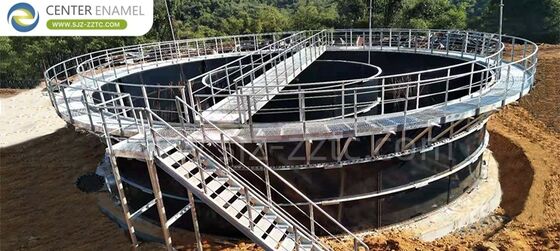
برای پروژه های بیوگازی شهری،مخازن شیشه ای به فولاد (GFS)انتخاب برتر هستند:
بهره وری فضای عمودی: مخازن GFS می توانند بلند و باریک ساخته شوند و زمین ارزشمندی را صرفه جویی کنند.
مقاومت بهتر در برابر خوردگی: پیوند شیشه به فولاد از نظر شیمیایی بی اثر است، که آن را در برابر اسیدهای آلی تهاجمی و H2S تولید شده در طول هضم ایمن می کند.
نصب ماژولار: این مخازن در محل پیچ خورده اند، نیازی به جوش سنگین ندارند و به طور قابل توجهی زمان ساخت و صدا در مناطق حساس را کاهش می دهند.
زیبایی و دوام: پایان صاف و تمیز متناسب با چشم انداز مدرن سنگاپور است و زندگی بیش از 30 سال را با حداقل نگهداری ارائه می دهد.
Center Enamel: رهبری جهانی در پروژه های بیوگاز
"سنترال ايناميل" يک رهبر جهان درراه حل های کلیدی EPC (مهندسی،خرید و ساخت و ساز)برای پروژه های بیوگاز. مزیت اصلی ما در خدمات جامع "یک توقف" ما از طراحی فرآیند بیولوژیکی و تولید تانک سفارشی تا نصب و راه اندازی است.با تجربه در بيشتر از 100 کشور، ما تخصص مهندسی مورد نیاز را برای برآورده کردن استانداردهای سختگیرانه زیست محیطی و ایمنی سنگاپور فراهم می کنیم، تضمین حداکثر بازیابی انرژی و رعایت 100٪.
داستان های موفقیت جهانی: نمونه های اثبات شده پروژه
مورد1: پروژه بيوگاز کانادا
ابعاد مخزن: φ8.4 × 7.2 m (H) ️ 2 واحد
کل حجم: 798 متر
سال اتمام: 2024
مورد2: پروژه بيوگاز اندونزي
کاربرد مخزن: کارخانه تصفیه فاضلاب روغن نخل
مدل مخزن: Ø19.86 × 8.4 m
تعداد مخازن: 3 مخازن GFS
نصب: ۷ نفر، ۴۰ روز
تاریخ نصب: نوامبر 2009
نتیجه گیری
برای اپراتورهای مزرعه مرغ در سنگاپور، انتقال بهتکنولوژی بیوگازبا استفاده ازفرآیند CSTRومخازن GFSموثرترین راه برای هماهنگی با چشم انداز "30 به 30" در حالی که مسئولیت زیست محیطی را تضمین می کند.مرکز ايناميل زيرساخت هاي فن آوری بالا را فراهم مي کند که لازم است تا صنعت را به سمت يک صنعت خودکفا هدایت کنداین رویکرد یکپارچه تضمین می کند که قوانین سختگیرانه زیست محیطی سنگاپور در دراز مدت رعایت می شود و در عین حال هزینه های عملیاتی را از طریق بازیابی پایدار و چرخه ای منابع کاهش می دهد.