-
شیشه ای که به مخازن فولادی تبدیل شده است (596)
-
مخازن فولاد ضد زنگ (434)
-
مخازن اپوکسی با اتصال فیوژن (592)
-
مخازن فولادی گالوانیزه (321)
-
سقف های گنبد آلومینیومی (1316)
-
مخازن آب فاضلاب (231)
-
مخازن فولادی جوشیده (457)
-
مخازن تحت فشار (295)
-
هاضم بی هوازی (201)
-
مخازن آب صنعتی (349)
-
مخازن فولادی شیشه ای (180)
-
مخازن فولادی (390)
-
مخزن ذخیره لجن (115)
-
مخزن ذخیره بیوگاز (173)
-
مخازن مخزن لیچات (133)
-
مخازن آب کشاورزی (179)
-
مخزن آب آتش (166)
-
مخازن غلات (146)
-
پروژه های بیوگاز (425)
-
پروژه های تصفیه فاضلاب (788)
-
سقف دو لایه ای (223)

|
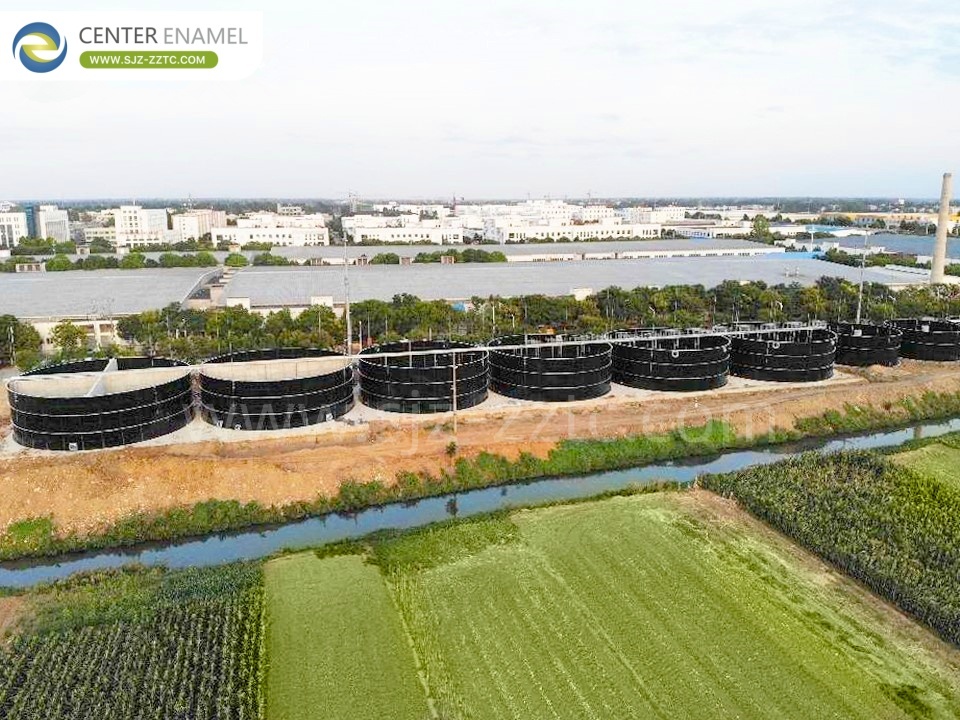
تبدیل زباله های مرغ: راه حل های پیشرفته بیوگاز و مخازن GFS مقاوم در کامبوج
| محل منبع: | چین |
| نام تجاری: | CEC TANKS |
| گواهی: | ISO 9001:2008, AWWA D103 , OSHA , BSCI |
| شماره مدل: | دبلیو |
| مقدار حداقل تعداد سفارش: | 1 مجموعه |
| قیمت: | $5000~$20000 one set |
| جزئیات بسته بندی: | پلی فوم PE بین هر دو صفحه فولادی. پالت چوبی و چوبی |
| زمان تحویل: | 10-30 روز پس از دریافت سپرده |
| شرایط پرداخت: | L/C، T/T |
| قابلیت ارائه: | 60 ست در ماه |
|
جزئیات اطلاعات |
|||
| محل منبع | چین | نام تجاری | CEC TANKS |
|---|---|---|---|
| گواهی | ISO 9001:2008, AWWA D103 , OSHA , BSCI | شماره مدل | دبلیو |
| رنگ بدنه تانک: | سبز تیره / قابل تنظیم است | یکپارچگی خوردگی: | عالی |
| ضخامت صفحات فولادی: | 3 تا 12 میلی متر، به ساختار مخزن بستگی دارد | مقاومت شیمیایی: | عالی |
| اندازه پنل: | 2.4M * 1.2M | آسان برای تمیز کردن: | صاف، براق، بی اثر، ضد چسبندگی |
| برجسته کردن: | محلول های بیوگازی زباله های مرغ,مخازن GFS برای فاضلاب,تصفیه فاضلاب با گاز زیستی کامبوج |
||
توضیحات محصول
تبدیل زباله های طیور: راه حل های پیشرفته بیوگاز و مخازن GFS انعطاف پذیر در کامبوج
از آنجایی که بخش کشاورزی کامبوج دستخوش نوسازی سریع می شود، صنعت طیور به یک سهم حیاتی در اقتصاد ملی و امنیت غذایی تبدیل شده است. با این حال، تشدید شیوه های کشاورزی یک چالش زیست محیطی حیاتی را به همراه دارد: مدیریت حجم عظیمی از فضولات حیوانی. برای شرکت های طیور در سراسر کامبوج، اتخاذ پیشرفتهفناوری بیوگازدیگر یک انتخاب نیست، بلکه یک ضرورت استراتژیک است. با ترکیب بازده بالاUSR (راکتور مواد جامد بالارونده)فرآیند با دواممخازن شیشه ای ذوب شده به فولاد (GFS).اپراتورهای مزرعه کود مرغی خطرناک را به منبع انرژی پاک و تجدیدپذیر تبدیل می کنند.
چشم انداز بخش طیور کامبوج و چالش های زباله
صنعت طیور در کامبوج در حال گذار از کشاورزی خانوادگی در مقیاس کوچک به تولید تجاری در مقیاس بزرگ است. در حالی که این امر از زنجیره های تامین محلی پشتیبانی می کند، مقدار قابل توجهی زباله های آلی "با استحکام بالا" تولید می کند.
کود مرغبه دلیل مواد جامد معلق بالا و محتوای نیتروژن بالا، درمان بسیار دشوار است. در آب و هوای گرمسیری کامبوج، دفع نادرست منجر به موارد زیر می شود:
آلودگی آب: شستشوی آلاینده ها به حوضه رودخانه مکونگ و آب های زیرزمینی محلی.
بو و آلودگی هوا: انتشار آمونیاک و متان که جوامع محلی را تحت تاثیر قرار می دهد و به تغییرات آب و هوایی کمک می کند.
خطرات بیماری: زباله های تصفیه نشده می توانند حاوی عوامل بیماری زا باشند که هم دام ها و هم سلامت عمومی را تهدید می کنند.
در پاسخ،دولت کامبوجآن را تقویت کرده استسیاست های زیست محیطی و تصفیه فاضلاب. مقررات جدید تأسیسات کشاورزی را تشویق می کند تا سیستم های استاندارد مدیریت پسماند را برای حفاظت از محیط زیست پیاده سازی کنند. این جابجایی راه را برای پروژههای «پسماند به انرژی» که با اهداف توسعه پایدار کشور همسو هستند هموار کرده است.
از زباله تا انرژی: چگونه کود مرغی بیوگاز تولید می کند
تبدیل کود مرغی به بیوگاز یک فرآیند بیولوژیکی کنترل شده است که ارزش محصولات جانبی کشاورزی را به حداکثر می رساند:
جمع آوری زباله: کود و آب شستشو در یک سامپ متمرکز جمع آوری می شود.
هضم بی هوازی: دوغاب با جامدات بالا به داخل یک تغذیه می شودراکتور بی هوازی. در این محیط بدون اکسیژن، باکتری ها مواد آلی را در چهار مرحله تجزیه می کنند: هیدرولیز، اسیدزایی، استوژنز و متانوژنز.
نسل متان: محصول جانبی اولیه استبیوگاز(بیشتر متان) که جذب و ذخیره می شود.
استفاده از منابع: بیوگاز برای حذف سولفید هیدروژن ($H_2S$) تصفیه می شود و سپس برای پخت و پز، گرم کردن یا تولید برق از طریق سیستم CHP استفاده می شود.
مهندسی پیشرفته: فرآیندهای بی هوازی تخصصی
سنتر مینا مجموعه ای از فناوری های بی هوازی را ارائه می دهد که برای مدیریت ویژگی های مختلف فاضلاب طراحی شده اند:
USR (راکتور مواد جامد بالارونده): به طور خاص برای ضایعات با جامدات بالا مانند کود مرغ طراحی شده است. این اجازه می دهد تا نرخ بارگذاری آلی بالا و زمان نگهداری مواد جامد طولانی را داشته باشد و حداکثر تجزیه الیاف آلی پیچیده را تضمین کند.
CSTR (راکتور مخزن کاملاً هم زده): از هم زدن مکانیکی برای نگه داشتن مواد جامد در حالت تعلیق استفاده می کند، ایده آل برای دوغاب کود غلیظ.
UASB (پتوی لجن بی هوازی بالارونده): بهترین گزینه برای زباله های مایع با حجم بالا، استفاده از پتوی لجن دانه ای برای تصفیه سریع.
راکتور IC (گردش داخلی).: راکتوری با نرخ بالا که از بالابر داخلی گاز برای گردش آب استفاده می کند، مناسب برای کاربردهای صنعتی در مقیاس بزرگ.
مزیت مخزن GFS: مخزن هاضم ایده آل
برای پروژه های بیوگاز در کامبوج،مخازن شیشه ای ذوب شده به فولاد (GFS).انتخاب ارجح برای زیرساخت رآکتور هستند:
مقاومت در برابر خوردگی برتر: پوشش شیشه از فولاد در برابر اثرات خورنده $H_2S$ و اسیدهای آلی محافظت می کند.
استقرار سریع: بر خلاف بتن، مخازن GFS مدولار و در محل پیچ و مهره هستند، که به طور قابل توجهی زمان ساخت را کوتاه می کند.
سازگاری با اقلیم: در برابر دما و رطوبت بالا بدون تخریب مقاومت می کنند.
سهولت در تعمیر و نگهداری: سطح صاف از تجمع رسوب جلوگیری می کند و به راحتی تمیز می شود.
چرا مینای مرکزی را انتخاب کنید؟
انتخاب کردنمینای مرکزیبه معنای مشارکت با یک رهبر جهانی در مهندسی محیط زیست است. مرکز مینا با چندین دهه تجربه و پروژه در بیش از 100 کشور جهان ارائه می دهدراه حل های EPC کلید در دست. ما همه چیز را از طراحی اولیه فرآیند بیولوژیکی و ساخت مخزن گرفته تا نصب و پشتیبانی پس از فروش انجام می دهیم. تعهد ما به کیفیت و نوآوری تضمین می کند که نیروگاه بیوگاز شما کارآمد، سازگار و ساخته شده تا بیش از 30 سال عمر کند.
داستان های موفقیت جهانی: موارد اثبات شده پروژه
مورد 1: پروژه بیوگاز کانادا
ابعاد مخزن: φ8.4 × 7.2 متر (H) - 2 واحد
حجم کل: 798 m³
سال تکمیل: 2024
مورد 2: پروژه بیوگاز اندونزی
کاربرد مخزن: تصفیه خانه فاضلاب روغن پالم
مدل مخزن: Ø19.86 × 8.4 متر
تعداد تانک: 3 تانک GFS
نصب و راه اندازی: 7 نفر، 40 روز
تاریخ نصب: نوامبر 2009
نتیجه گیری
برای صنعت در حال رشد طیور در کامبوج، ادغامفناوری بیوگازبا استفاده ازفرآیند USRوتانک های GFSیک راه حل قدرتمند برای مدیریت زباله مدرن است. تخصص مهندسی جامع مرکز مینا به صاحبان مزارع اجازه می دهد تا ضمن کاهش هزینه های انرژی، مقررات زیست محیطی را رعایت کنند. با تبدیل کود مرغی به انرژی تجدیدپذیر، مزارع کامبوج میتوانند به یک «اقتصاد دایرهای» پایدار دست یابند که برای دهههای آینده هم به نفع آنهاست و هم برای محیط زیست ملی.