-
شیشه ای که به مخازن فولادی تبدیل شده است (596)
-
مخازن فولاد ضد زنگ (434)
-
مخازن اپوکسی با اتصال فیوژن (592)
-
مخازن فولادی گالوانیزه (321)
-
سقف های گنبد آلومینیومی (1316)
-
مخازن آب فاضلاب (231)
-
مخازن فولادی جوشیده (457)
-
مخازن تحت فشار (295)
-
هاضم بی هوازی (201)
-
مخازن آب صنعتی (349)
-
مخازن فولادی شیشه ای (180)
-
مخازن فولادی (390)
-
مخزن ذخیره لجن (115)
-
مخزن ذخیره بیوگاز (173)
-
مخازن مخزن لیچات (133)
-
مخازن آب کشاورزی (179)
-
مخزن آب آتش (166)
-
مخازن غلات (146)
-
پروژه های بیوگاز (425)
-
پروژه های تصفیه فاضلاب (788)
-
سقف دو لایه ای (223)

|
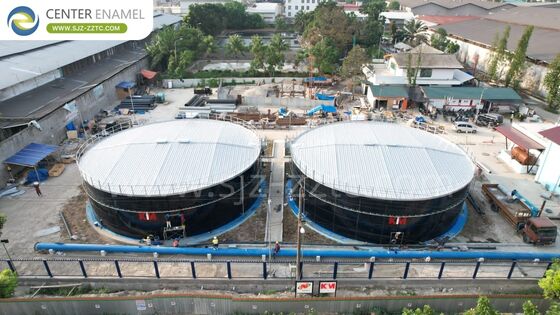
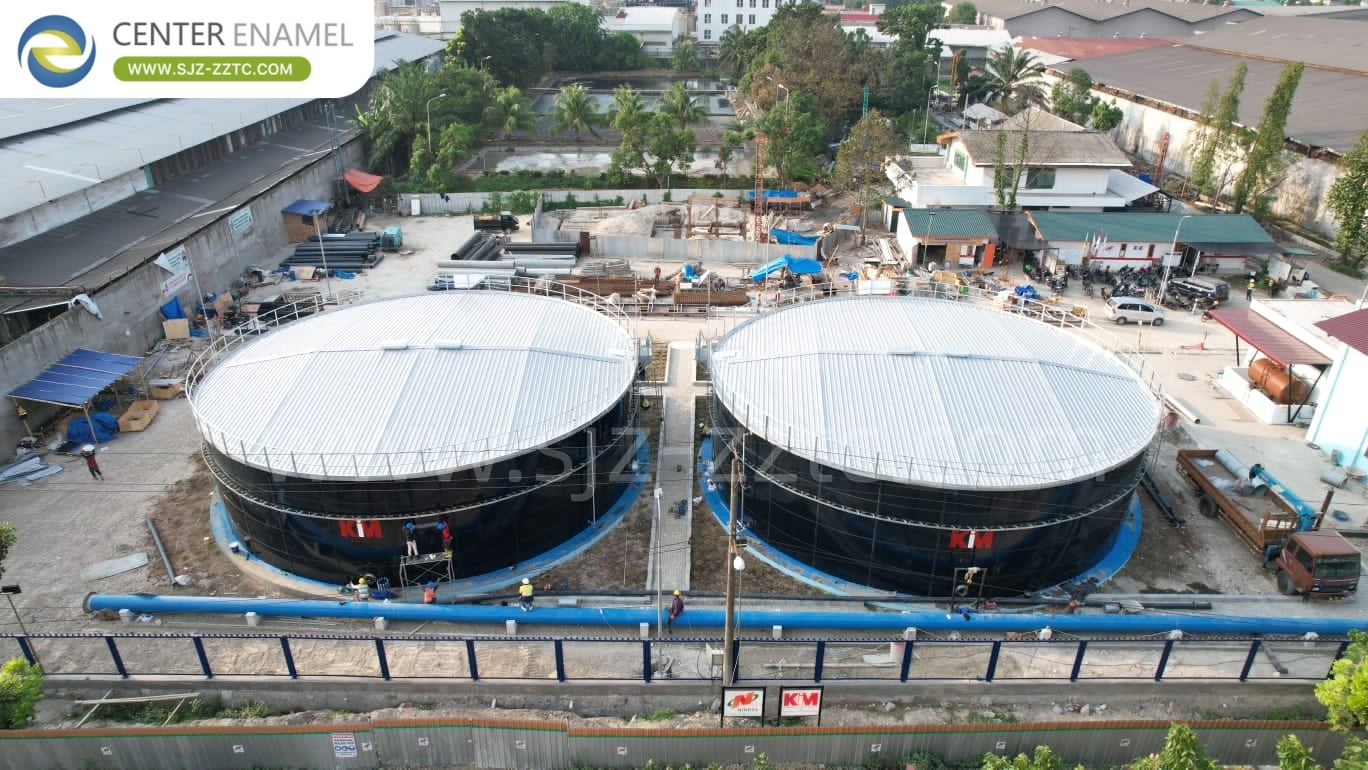
پروژه های بیوگازی برتر و مخازن GFS برای تصفیه فاضلاب مزرعه مرغ بنگلادش
| محل منبع: | چین |
| نام تجاری: | CEC TANKS |
| گواهی: | ISO 9001:2008, AWWA D103 , OSHA , BSCI |
| شماره مدل: | دبلیو |
| مقدار حداقل تعداد سفارش: | 1SET |
| قیمت: | $5000~$20000 one set |
| جزئیات بسته بندی: | پلی فوم پلی فوم بین هر دو صفحه فولادی. پالت چوبی و چوبی |
| زمان تحویل: | 10-30 روز پس از دریافت سپرده |
| شرایط پرداخت: | L/C، T/T |
| قابلیت ارائه: | 60 ست در ماه |
|
جزئیات اطلاعات |
|||
| محل منبع | چین | نام تجاری | CEC TANKS |
|---|---|---|---|
| گواهی | ISO 9001:2008, AWWA D103 , OSHA , BSCI | شماره مدل | دبلیو |
| رنگ بدنه تانک: | سبز تیره / قابل تنظیم است | صداقت: | عالی |
| ضخامت صفحات فولادی: | 3 میلی متر تا 12 میلی متر ، به ساختار مخزن بستگی دارد | مقاومت شیمیایی: | عالی |
| اندازه پنل: | 2.4m * 1.2m | آسان برای تمیز کردن: | صاف ، براق ، بی اثر ، ضد چسبندگی |
| برجسته کردن: | پروژه های گاز زیستی برای فاضلاب مرغ,مخازن GFS برای درمان مزرعه,راه حل های تصفیه فاضلاب بنگلادش |
||
توضیحات محصول
پروژه های بیوگاز ممتاز و مخازن GFS برایبنگلادشتصفیه فاضلاب مرغداری
در تیمور شرقی، با حرکت بخش کشاورزی به سمت نوسازی و امنیت غذایی بیشتر، مدیریت ضایعات دام به عنوان یک اولویت حیاتی ظاهر شده است. با متمرکزتر شدن پرورش طیور و خوک، تقاضا برای کارایی بالافناوری بیوگازرشد کرده است. با استفاده ازمخازن شیشه ای ذوب شده به فولاد (GFS).و راه حل های حرفه ای ذخیره سازی، مزارع تیموری شروع به تبدیل زباله های آلی به یک منبع انرژی قابل اعتماد و تجدید پذیر کرده اند.
بخش دامداری تیمور لسته و موانع درمان زباله
همانطور که بنگلادش دستخوش تحولات صنعتی و کشاورزی سریعی می شود، این کشور به طور فزاینده ای مدیریت پایدار زباله و امنیت انرژی های تجدیدپذیر را در اولویت قرار می دهد. برای بخش های در حال رشد طیور و دام در کشور، چالش مدیریت حجم عظیم زباله های آلی از یک مشکل دفع به یک فرصت استراتژیک انرژی تغییر کرده است. با اجرای در مقیاس بزرگپروژه های بیوگازبا استفاده ازمخازن شیشه ای ذوب شده به فولاد (GFS).و پیشرفتهدارندگان بیوگاز، شرکت های کشاورزی بنگلادشی اکنون می توانند بدهی های زیست محیطی را به دارایی های تجدیدپذیر با ارزش تبدیل کنند.
چشم انداز سیاست بیوگاز در بنگلادش
دولت بنگلادش به طور فعال سیاست هایی را برای تشویق به پذیرش انرژی سبز معرفی کرده است. از طریق ابتکاراتی مانند سیاست انرژی های تجدیدپذیر و حمایت سازمان هایی مانند شرکت توسعه زیرساخت محدود (IDCOL)، این کشور قصد دارد سهم انرژی های تجدیدپذیر را در ترکیب انرژی خود به میزان قابل توجهی افزایش دهد. این سیاست ها بر کاهش وابستگی به سوخت های فسیلی و کاهش اثرات زیست محیطی فاضلاب تصفیه نشده مزرعه تمرکز دارد. برای اپراتورهای مزارع محلی، این چارچوبها انگیزه لازم را برای سرمایهگذاری در زیرساختهای بیوگاز درجه صنعتی برای دستیابی به استقلال انرژی غیرمتمرکز فراهم میکنند.
فرآیند تولید بیوگاز: یک جریان گام به گام
تبدیل فاضلاب مزرعه به انرژی سبز یک سفر بیولوژیکی با کنترل دقیق است. بر اساس استانداردهای صنعتی مدرن، جریان تولید چندین مرحله حیاتی را ادغام می کند:
مجموعه مواد اولیه: کود دامی خام و آب شستشوی تاسیسات برای اطمینان از بار آلی پایدار برای سیستم جمع آوری می شود.
هضم بی هوازی (راکتور): این قلب فرآیند است که معمولاً در یک اتفاق می افتدمخزن GFS. در یک محیط بدون اکسیژن، میکروارگانیسم های تخصصی مواد آلی را برای تولید متان تجزیه می کنند.
جذب و ذخیره سازی گاز: گاز غنی از متان توسط یکپارچگی بالا جذب می شوددارندگان بیوگازمانند سقف های دو غشایی که مستقیماً در بالای مخازن نصب می شوند تا فشار ثابت را حفظ کنند.
تهویه و بهره برداری: گاز قبل از وارد شدن به ژنراتور یا دیگ برای تولید برق و گرما، آبگیری و گوگرد زدایی می شود.
دوچرخه سواری منابع: مواد هضم باقی مانده به کود آلی جدا شده و مواد مغذی حیاتی را به خاک باز می گرداند.
مخازن GFS مینای مرکزی: مزایای مواد و هسته
در محیط سخت هضم بی هوازی، مواد راکتور موفقیت بلندمدت پروژه را تعیین می کند. مینای مرکزیمخازن شیشه ای ذوب شده به فولاد (GFS).استاندارد جهانی صنعت برای زیرساخت های بیوگاز هستند که چندین مزیت کلیدی را ارائه می دهند:
مقاومت در برابر خوردگی برتر: پوشش شیشه ای که در دمای بیش از 800 درجه سانتیگراد ذوب شده است یک سد بی اثر و غیر متخلخل ایجاد می کند که در برابر سطوح بالای آمونیاک و اسیدهای آلی مصون است.
نصب سریع ماژولارطراحی پیچ و مهره ای جوشکاری پیچیده در محل را حذف می کند و امکان مونتاژ سریع را فراهم می کند - یک مزیت حیاتی برای زیرساخت های ردیابی سریع در مناطق روستایی.
نگهداری و دوام کم: مخازن GFS که برای شرایط سخت مهندسی شده اند، عمر مفیدی بیش از 30 سال را با هزینه های تعمیر و نگهداری بسیار کمتر از بتن ارائه می دهند.
انطباق استاندارد: مخازن ما مطابق با استانداردهای طراحی بین المللی مانند AWWA D103-09 و ISO 28765 هستند و ایمنی و قابلیت اطمینان را تضمین می کنند.
فرآیندهای مهندسی دقیق: CSTR، USR، و UASB
برای به حداکثر رساندن بازده گاز از بارهای کشاورزی متنوع، مرکز مینا از فرآیندهای بیولوژیکی بیهوازی با نرخ بالا پشتیبانی میکند:
CSTR (راکتور مخزن کاملاً هم زده): استاندارد طلایی برای کود حیوانی غلیظ، استفاده از میکسرهای مکانیکی برای حفظ یک محیط همگن و به حداکثر رساندن فعالیت میکروبی.
USR (راکتور مواد جامد بالارونده): بهینه شده برای فاضلاب با غلظت بالایی از مواد جامد معلق (SS) که هضم کامل مواد آلی پیچیده را تضمین می کند.
UASB (پتوی لجن بی هوازی بالارونده): یک فرآیند با راندمان بالا ایده آل برای پساب مایع، دستیابی به تخریب سریع در یک فضای فشرده.
عملکرد اثبات شده: تعالی زیرساخت جهانی
فناوری سنتر مینا توسط پروژه های با عملکرد بالا در آب و هوای مختلف تأیید شده است.
1. پروژه بیوگاز در مالزی
این پروژه در مقیاس بزرگ ظرفیت و کارایی عظیم فناوری GFS را در محیط های گرمسیری نشان می دهد.
کیفیت آب ورودی/خروجی:
ورودی: COD≥60000mg/L; BOD≤25000mg/L.
خروجی: COD≥12000mg/L; BOD≤5000mg/L.
حجم طراحی و هضم:
تانک تک GFS: 5,400 متر مکعب (∅24.46×12 متر).
مجموع حجم موثر: 27000 متر مکعب (در 5 مخزن).
میزان هضم: 80%
تولید گاز:تولید روزانه: تقریباً 4400 مترمکعب در هر مخزن (مجموع 22000 مترمکعب).
نرخ بازده گاز: 0.45 متر مکعب بیوگاز تولید شده در هر کیلوگرم COD حذف شده.
2. پروژه بیوگاز در مغولستان داخلی
این مورد تطبیق پذیری مخازن GFS را در حفظ تخمیر پایدار در شرایط آب و هوایی شدید نشان می دهد.
مکان: منطقه خودمختار مغولستان داخلی، چین.
تاریخ نصب: 2013.
تکنولوژی:فرآیند CSTRمجهز به تخصصیسیستم عایق.
برجسته کردن: عایق فعالیت میکروبی بالا و تولید گاز ثابت را حتی در دماهای انجماد تضمین می کند و قابلیت اطمینان ساختاری و حرارتی مخازن را ثابت می کند.
نتیجه گیری: مشارکت برای آینده ای سبزتر
برای اپراتورهای مزرعه در بنگلادش و در سراسر جهان، انتقال به مدیریت زباله پایدار هم یک مسئولیت زیست محیطی و هم یک فرصت اقتصادی است. با ترکیب انعطاف پذیری ساختاریتانک های GFSبا پیشرفتهفناوری بیوگازمرکز مینا یک راه حل جامع برای تصفیه فاضلاب مزرعه ارائه می دهد. ما با بیش از 30 سال تجربه و پروژه در بیش از 100 کشور، به کمک مزارع کمک می کنیم تا زباله های کشاورزی را به آینده انرژی پایدار تبدیل کنند.